REGULATORY
EPA Eases Flaring Rules, Saving Industry Billions
EPA's April 2026 Clean Air Act amendments ease flaring rules and drop routine monitoring, saving oil and gas operators $2.5 billion through 2038
18 Jun 2026
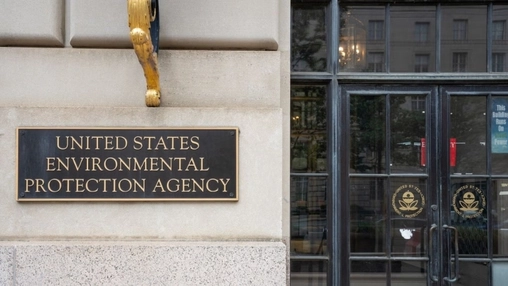
The US Environmental Protection Agency finalised amendments to the Clean Air Act in April 2026 that substantially reduce compliance obligations for oil and gas operators, with projected savings of $2.5bn through 2038.
Central to the changes is a tripling of the allowable temporary flaring window, from 24 to 72 hours. Operators now have far greater room to manage startups, malfunctions, and maintenance without triggering violations, a shift with practical significance for facilities that previously risked penalties during routine disruptions. Routine net heating value monitoring for flares has also been dropped, except where specific operational conditions apply. The combined effect reduces both administrative costs and real-time compliance infrastructure.
EPA Administrator Lee Zeldin framed the move as part of a wider energy policy stance. "America already produces energy better and cleaner than anywhere else in the world," Zeldin stated, suggesting the agency views regulatory reduction as compatible with environmental leadership.
Smaller independent producers stand to benefit most. Relative to their budgets, they carry heavier compliance costs and have fewer resources to absorb ongoing reporting obligations. Midstream and upstream companies can now redirect capital previously absorbed by monitoring systems toward production and infrastructure. Modest downstream benefits for consumers are possible as operating costs ease across the supply chain.
Published in the Federal Register on April 9, 2026, the final rule covers new, reconstructed, and modified sources under existing emissions standards. Not all obligations disappear: monitoring requirements persist where defined thresholds are met, and operators that assume blanket relief without reviewing facility-specific conditions risk unexpected violations.
Further rule revisions remain under agency review. How the EPA continues to frame these rollbacks will influence their durability under future legal and regulatory challenge.
Related News


topics on the agenda
RESTORING ISOLATION FOR REFRACTURING AND REGAINED WELL INTEGRITY: FIELD APPLICATIONS OF SWELLABLE PARTICULATE BARRIERS
DAY 1: undefined
09:30 - 09:55
HOW REAL-TIME INTELLIGENCE IS REDEFINING FRAC PERFORMANCE
DAY 1: undefined
11:30 - 11:55
OPTIMIZING RE-STIMULATION EFFICIENCY: THE ROLE OF ADVANCED SHALE INHIBITION IN A 20-WELL REFRAC PROGRAM
DAY 1: undefined
14:00 - 14:25
SUBSCRIBE FOR UPDATES
By submitting, you agree to receive email communications from the event organizers, including upcoming promotions and discounted tickets, news, and access to related events.