REGULATORY
Oil Patches Get a Flaring Reprieve From EPA
EPA's last-minute guidance lets drillers keep flaring past the May 7 cutoff, sparing output in the Bakken, Permian, and Williston
2 Jul 2026
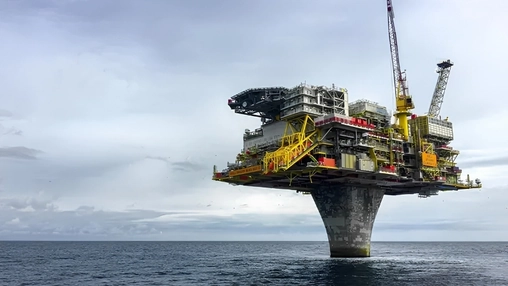
The Environmental Protection Agency issued guidance on May 1 giving oil and gas operators a narrow path to continue routine flaring of associated gas at new wells beyond a May 7 compliance deadline. Producers in North Dakota's Bakken Formation, the broader Williston Basin, and the Permian Basin in Texas and New Mexico had warned that circumstances beyond their control could force costly shutdowns without such relief. Administrator Lee Zeldin defended the decision, saying, "America already produces energy better and cleaner than anywhere else in the world. That should not stop."
Unsettled operators and investors had watched this tension build in the days before the deadline. Associated gas, a byproduct of oil extraction, is often flared when pipeline infrastructure cannot yet capture it. Absent the guidance, some producers faced shutting in otherwise viable wells at significant cost.
Tens of thousands of barrels of daily oil production that might otherwise have been curtailed will now continue, Department of Energy analysts assessed, according to agency estimates. That figure underscores how much domestic output hinged on a single regulatory decision. Businesses across the energy supply chain welcomed the reduced uncertainty, though the guidance stops short of rolling back methane reduction targets.
Close scrutiny is now expected from environmental groups over how operators interpret the phrase "limited circumstances," a boundary likely to shape compliance disputes in the months ahead. Critics argue that any extension, however narrow, chips away at emissions progress that took years to secure. Supporters counter that the alternative, shutting in productive wells, carried its own economic toll.
Future phase-out transitions at other basins will test whether the agency tightens or loosens this same framework under similar deadline pressure. Much depends on how strictly the "limited circumstances" language is enforced once operators begin invoking it at scale. Whether this balance between energy output and environmental commitments holds up under real-world conditions may only become clear in the next compliance cycle.
Related News


topics on the agenda
RESTORING ISOLATION FOR REFRACTURING AND REGAINED WELL INTEGRITY: FIELD APPLICATIONS OF SWELLABLE PARTICULATE BARRIERS
Day 1: MONDAY, SEPTEMBER 14, 2026
09:30 - 09:55
HOW REAL-TIME INTELLIGENCE IS REDEFINING FRAC PERFORMANCE
Day 1: MONDAY, SEPTEMBER 14, 2026
11:30 - 11:55
CASE STUDIES ON SAND PROBLEM CONTROLS BY MECHANICAL SEPARATION
Day 1: MONDAY, SEPTEMBER 14, 2026
12:00 - 12:25
SUBSCRIBE FOR UPDATES
By submitting, you agree to receive email communications from the event organizers, including upcoming promotions and discounted tickets, news, and access to related events.